
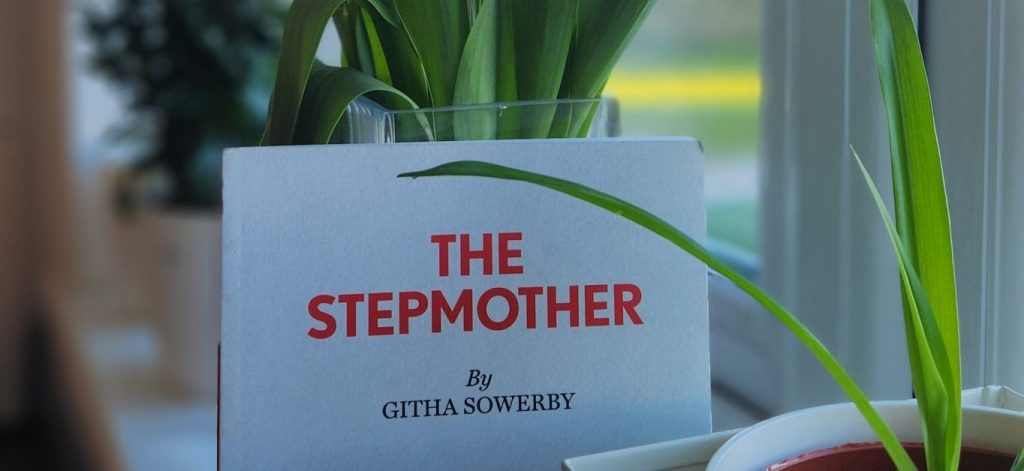
This was a relief. Sowerby’s first play, Rutherford and Son placed a small but firm dent in the canonically male bastions of early 20th century British drama. Despite writing another six plays, the discouragement of a female talent by the theatrical establishment left her work neglected and under produced. Revivals of Rutherford and Son have redressed the balance somewhat, but what of her other work? 1924’s The Stepmother shows Rutherford and Son to be no one hit wonder, and rather than a stilted and forgettable period piece, the play demonstrates the same surety of dramatic control and clarity of theme that made Rutherford and Son so impactful.
This story of a woman cheated out of her inheritance by a caddish husband swerves away from melodrama. Sowerby writes with an intelligent, realistic worldview as her characters navigate the inequalities, contradictions and consolations of interbellum society.
Lois, The Stepmother of the title, is rendered both highly competent and incompetent by circumstance and society – running a successful business while having no control over her finances. The unashamed weakness of Eustace in actions and motives moves him away from pantomime villain to something colder, more pragmatic – the entitlement of 1920s male privilege fully on display. These are rich and complex portraits of human behaviour seen through the lens of female experience, one which deserves its place on the stage and rewards repeated reading.

 The Read Through
Leave a comment